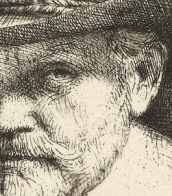
used van


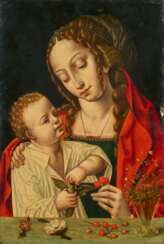

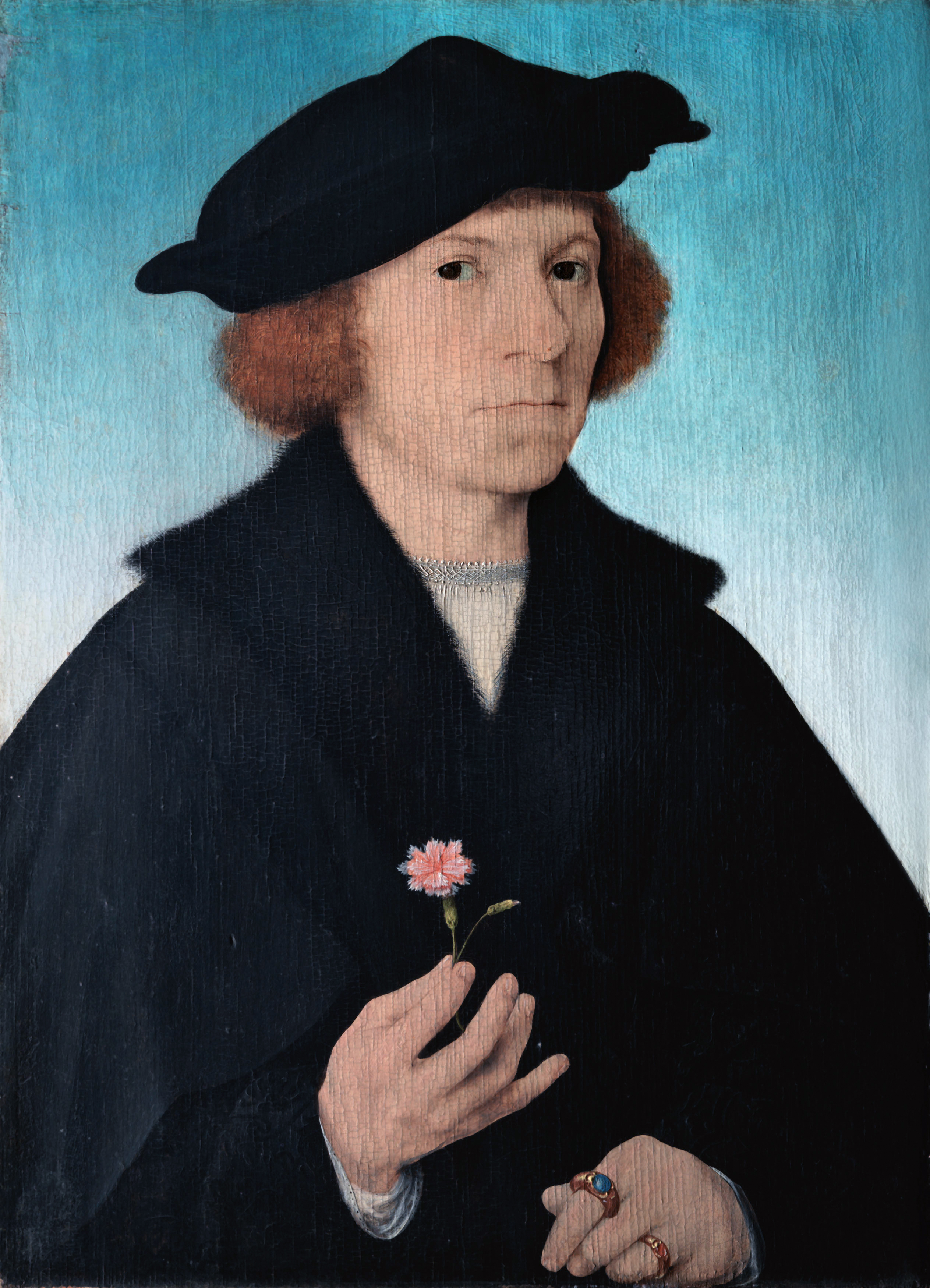
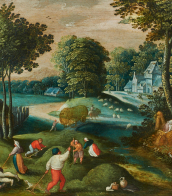
Joos van Cleve, also known by his real name Joos van der Beke, was a prominent Netherlandish painter, active mainly in Antwerp from about 1511 until his death in 1540 or 1541. His work predominantly centered around religious subjects and portraits, including notable commissions for the French King Francis I during his time at the French court. His artistic oeuvre reflects a blend of traditional Netherlandish painting techniques with contemporary Renaissance styles, showcasing his direct knowledge of local art combined with an awareness of Italian developments.
Van Cleve's work was characterized by its elaborate detail, particularly in his altarpieces which often incorporated portraits and landscapes, demonstrating his refined painting style. His success in Antwerp was significant, and he was also recognized at the French court, indicating his high regard as a portrait artist. Notably, Van Cleve had the opportunity to paint members of the royal court, including King Francis I and Queen Eleanor of Austria, underscoring his skills in portraiture.
His paintings are recognized for their sensitivity to color and a unique solidity of figures, with some works showcasing the popular style of Antwerp Mannerism. Van Cleve was an innovator in introducing broad world landscapes in the backgrounds of his paintings, a technique that became popular in sixteenth-century northern Renaissance paintings. Despite his contributions to the Renaissance art movement, Van Cleve also produced works that were highly eclectic, drawing on the styles of earlier Netherlandish masters as well as Italian influences, particularly in his use of sfumato, evident in his Virgin and Child compositions.
For art collectors and experts, Joos van Cleve's legacy offers a rich exploration into the transition from medieval to Renaissance art in Northern Europe. His body of work, found in prestigious collections such as the National Gallery in Prague, the Louvre, and the Royal Museums of Fine Arts of Belgium, remains a testament to his versatility and skill as a painter of both religious narratives and royal portraits.
To delve deeper into the fascinating world of Joos van Cleve and to stay informed about exhibitions or sales featuring his work, consider signing up for updates from art institutions and auction houses. This subscription will ensure you remain at the forefront of developments and opportunities related to this influential artist's oeuvre, enhancing your collection and understanding of Renaissance art.
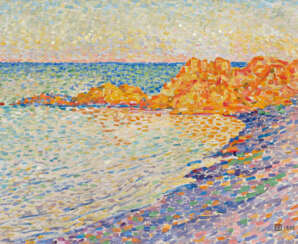

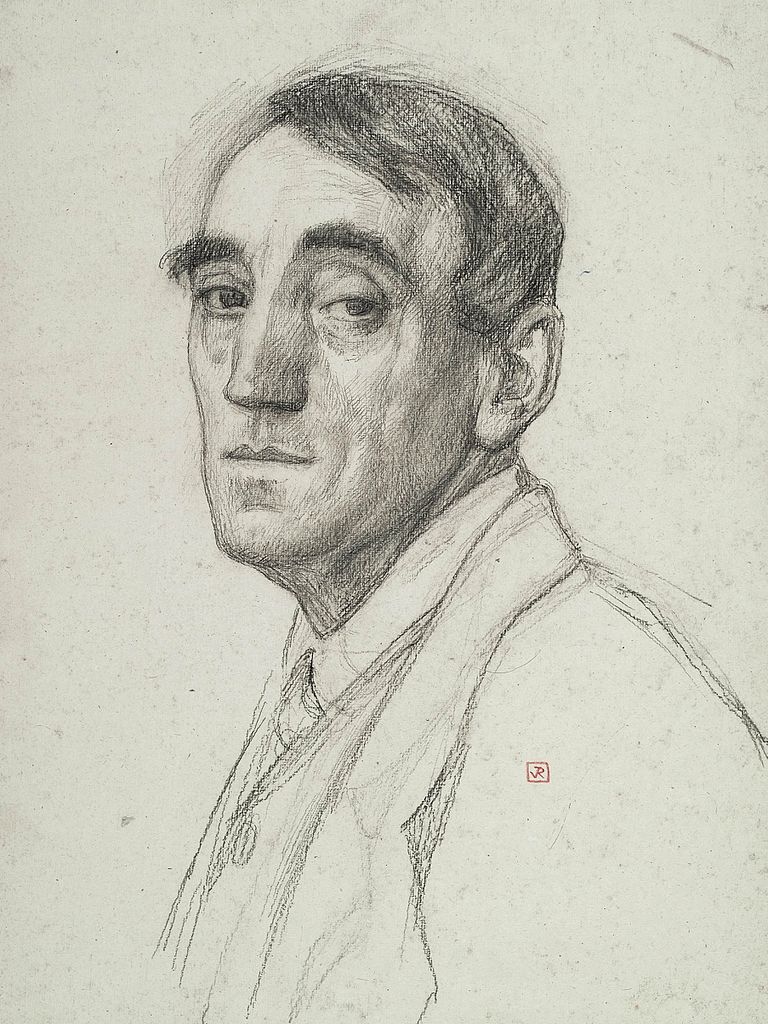
Théo van Rysselberghe, a prominent Belgian painter, was a key figure in the Neo-Impressionist movement, particularly known for his adoption of the pointillist technique. Born in Ghent, Belgium, in 1862, van Rysselberghe played a crucial role in the artistic circle Les XX, a group of avant-garde artists who sought to break away from traditional academic art norms. His early works displayed an Impressionist influence, which evolved significantly after he encountered Georges Seurat's pointillist masterpiece at an Impressionist exhibition in Paris in 1886.
Van Rysselberghe's career saw a significant shift after this encounter, as he embraced pointillism, a technique involving the application of small, distinct dots of color to form an image. His mastery in this style is evident in his landscapes and portraiture, where he employed vibrant colors and meticulous attention to light and detail. His work during this period is considered the pinnacle of his artistic achievements, showcasing his talent not only in landscapes but also in pointillist portraiture, a genre he significantly contributed to within the Neo-Impressionist movement.
Despite his success and contributions to pointillism, Théo van Rysselberghe eventually moved away from this technique around 1904, exploring other artistic expressions. Throughout his career, he remained an influential figure in the Belgian art scene, his works continuing to inspire and attract attention for their innovative approach and technical prowess.
For art collectors and enthusiasts, delving into Théo van Rysselberghe's oeuvre offers a fascinating glimpse into the evolution of Neo-Impressionism and pointillism, highlighting the artist's significant role in these movements. To stay updated on sales and auctions featuring van Rysselberghe's works, signing up for updates can provide exclusive insights into opportunities to acquire pieces by this remarkable artist.
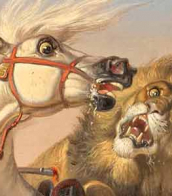
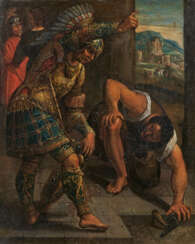

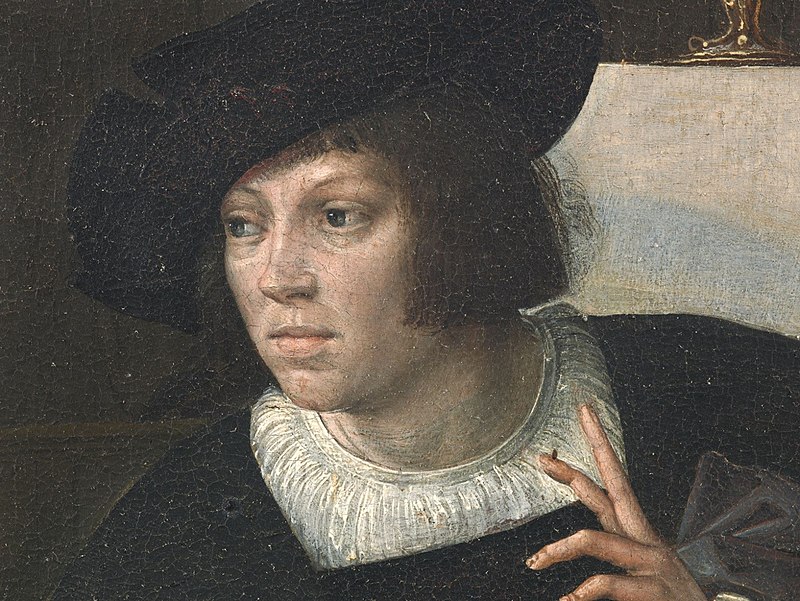
Bernard van Orley was a versatile Flemish artist and representative of Dutch and Flemish Renaissance painting, who was equally active as a designer of tapestries and, at the end of his life, stained glass. Although he never visited Italy, he belongs to the group of Italianizing Flemish painters called the Romanists, who were influenced by Italian Renaissance painting, in his case especially by Raphael.
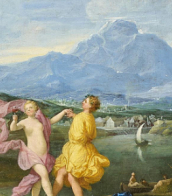


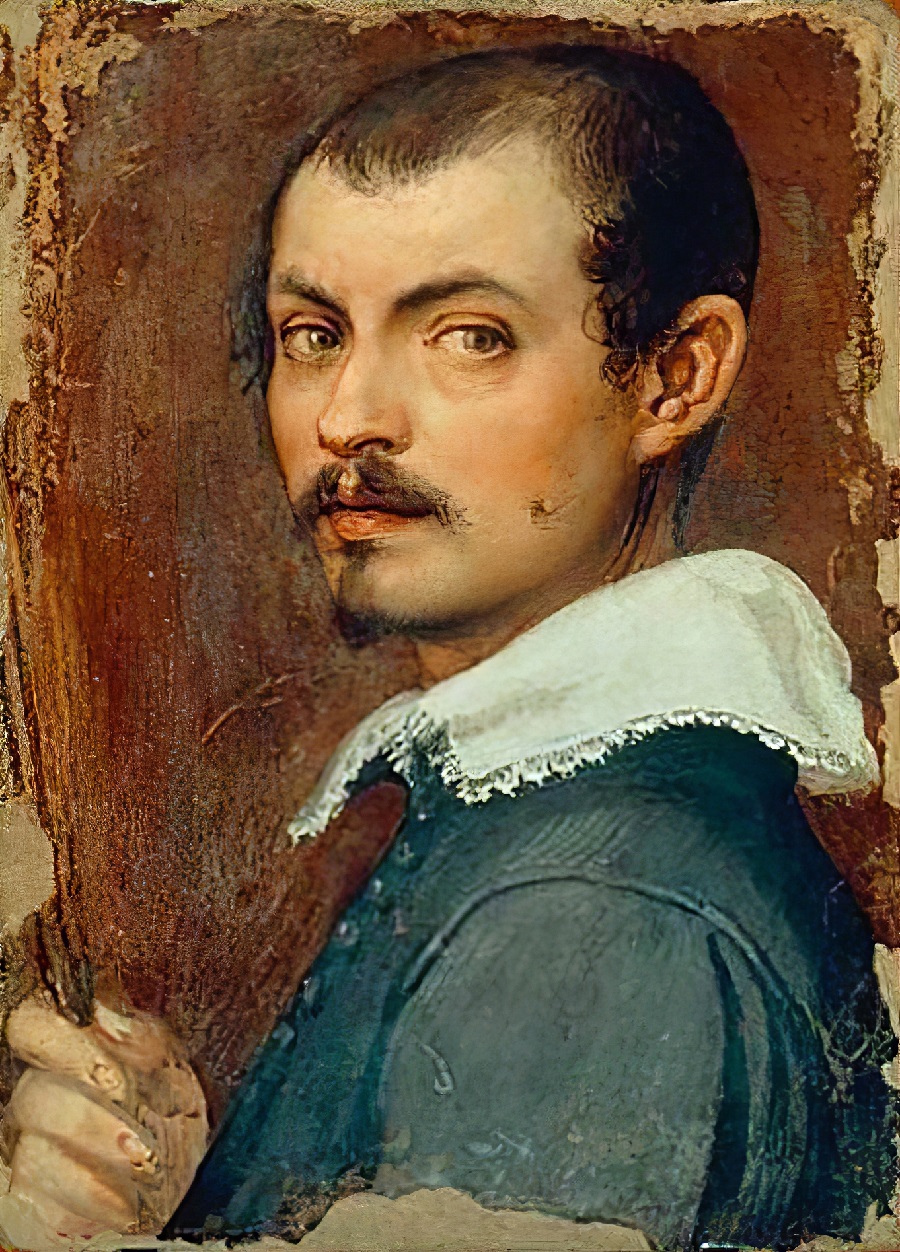
Giovanni Mannozzi, known as Giovanni da San Giovanni, was an early Baroque Italian painter characterised by his elegant and graceful style, particularly in his depiction of religious and mythological scenes.
Giovanni Mannozzi was in charge of decorating the facade of the Palazzo del Antella in Piazza Santa Croce in Florence between 1619 and 1620. His masterpiece is the frescoes in the chapel of St Catherine inside the Palazzo Rospigliozza Pallavicini in Pistoia.
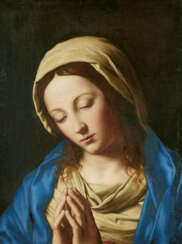

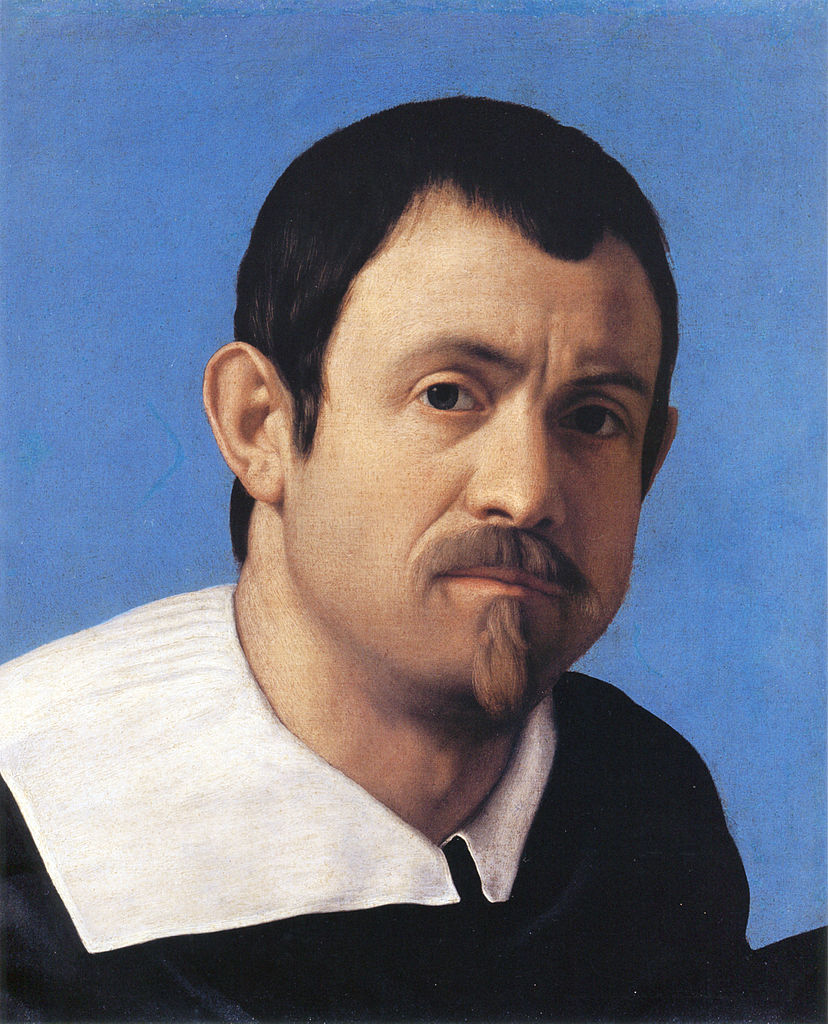
Giovanni Battista Salvi, known as Sassoferrato, was an Italian Baroque painter born in 1609 in Sassoferrato, from which he derived his name. He is celebrated for his deeply devotional images, particularly of the Virgin Mary, rendered with an elegance that echoes the works of Renaissance masters like Raphael and Perugino. Salvi's commitment to these older styles, amidst the 17th-century Roman art scene, marked his work as consciously anachronistic, emphasizing traditional religious themes and the serene beauty of his subjects.
Sassoferrato's training under his father and possibly under Domenichino in Rome, as well as influences from Guido Reni and Francesco Albani, equipped him with a unique blend of styles. He concentrated on creating multiple copies of devotional images, catering to the private market's demand during the Counter-Reformation. Despite a few public commissions, his legacy includes works in major collections such as the National Gallery in London and the British Royal Collection. Sassoferrato's art, particularly noted for its immaculate execution and spiritual aura, was highly regarded until the mid-19th century and has seen a revival in interest since the late 20th century.
One of his most revered works, "The Virgin in Prayer," showcases Sassoferrato's mastery in portraying the Virgin Mary with a life-like presence, using minimal but vibrant colors to highlight her contemplative grace. This piece, along with others, reflects the Catholic Church's 16th-century reforms advocating for personal devotion, a theme Sassoferrato adeptly captures through his intimate and contemplative religious scenes.
Despite the breadth of his work, Sassoferrato remains a somewhat enigmatic figure, with his art often overshadowing the details of his life and career. Yet, his paintings continue to be a source of admiration for their serene beauty and spiritual depth, appealing to collectors and art enthusiasts alike.
For those interested in exploring the work and legacy of Giovanni Battista Salvi, consider signing up for updates on new discoveries, sales, and auction events related to his art. This subscription ensures that collectors and experts remain informed about opportunities to engage with the timeless beauty of Sassoferrato's masterpieces.





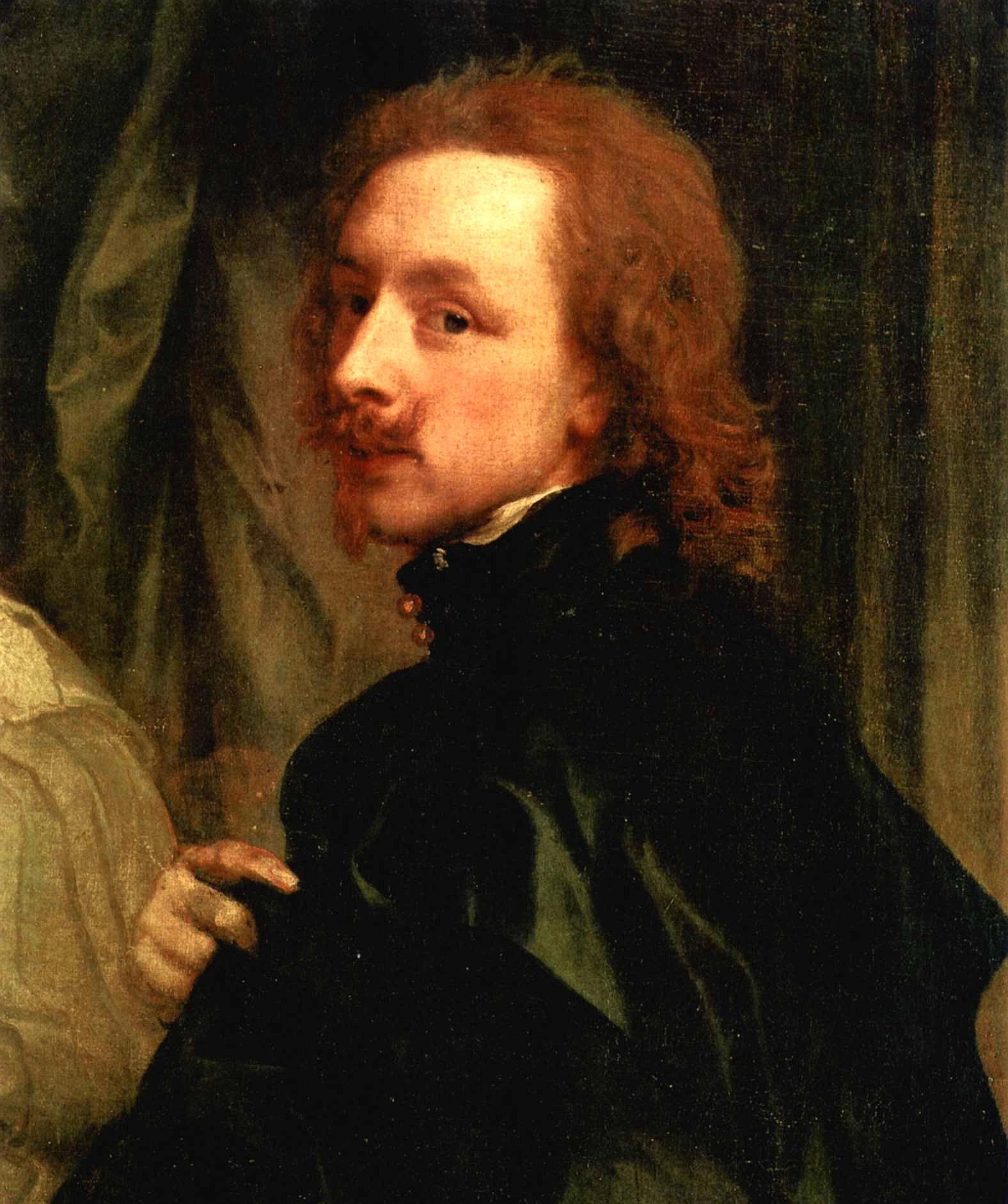
Anthony van Dyck, a Flemish painter born in 1599 in Antwerp and passed away in 1641 in London, is celebrated as one of the foremost Baroque painters of the 17th century. His notable contributions to the art world include his exceptional portraits of European aristocracy, as well as his religious and mythological paintings. Van Dyck's early exposure to art was influenced significantly by his apprenticeship with Hendrik van Balen and later, by the profound impact of working alongside Peter Paul Rubens. His mastery was recognized early on, leading him to set up his own workshop by the age of 15.
Van Dyck's journey to Italy in 1621 marked a pivotal phase in his career, allowing him to immerse himself in studying the Italian masters and commencing his successful stint as a portraitist. His style evolved under the influence of Titian, evident from his vibrant use of color and refined modeling of form. Van Dyck's Italian period not only honed his artistic skills but also established his reputation as a painter of consequence.
Upon returning to Antwerp, van Dyck's portraits became highly sought after, leading to commissions from notable figures such as Archduchess Isabella and Queen Mother Maria de' Medici. His role as a court painter further solidified in England under the patronage of King Charles I, where he was knighted and appointed as the principal painter, profoundly shaping the aristocratic character of Charles I's reign through his portraits.
Van Dyck's legacy extends beyond his death, having influenced English portrait painting for over a century. His innovative techniques in watercolour and etching, along with his sophisticated portrayal of subjects, continue to be admired. His art not only showcases his technical prowess but also reflects the cultural and social nuances of his era, making his work a significant study for collectors and art historians alike.
For enthusiasts eager to explore the intersections of art, history, and culture through the lens of Anthony van Dyck's work, staying informed about new discoveries and auction events is essential. Signing up for updates can provide exclusive insights into the world of one of the most influential figures in Flemish art. This subscription ensures that collectors and experts are well-informed of any developments related to van Dyck's oeuvre, enhancing their understanding and appreciation of his contributions to the art world.
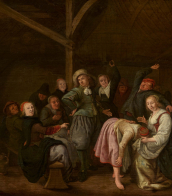
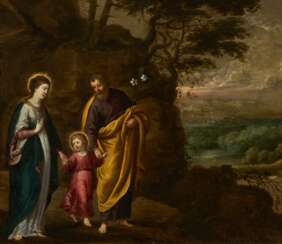

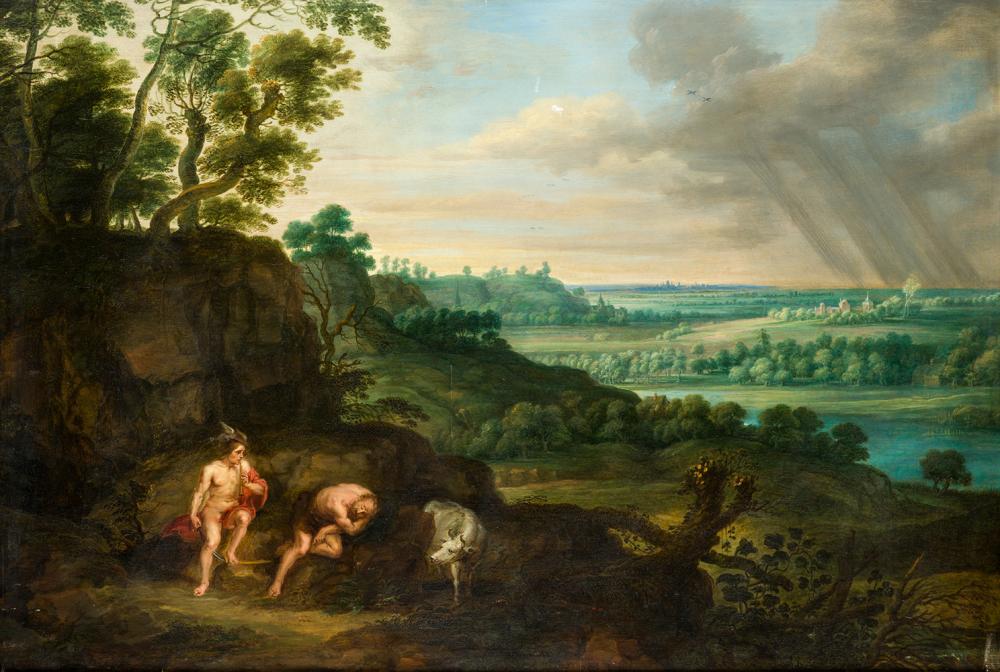
Lucas van Uden was a leading Flemish landscape painter, draughtsman and engraver, who lived and worked in Antwerp. He was a leading landscape painter who collaborated with various local figure painters. His most original works are his drawings.
Van Uden's paintings typically feature idyllic landscapes, often with a religious or mythological theme. His style was characterized by a delicate touch and an emphasis on light and atmospheric effects. He was particularly skilled at creating the illusion of depth and distance in his landscapes.
Lucas van Uden was never part of Peter Paul Rubens' studio, his works are partly indebted to that leading Antwerp master. His technique with its attention to detail, particularly in his smaller works, and his search for decorative elements in the larger paintings place him in the same tradition as Jan Brueghel the Elder and Joos de Momper.
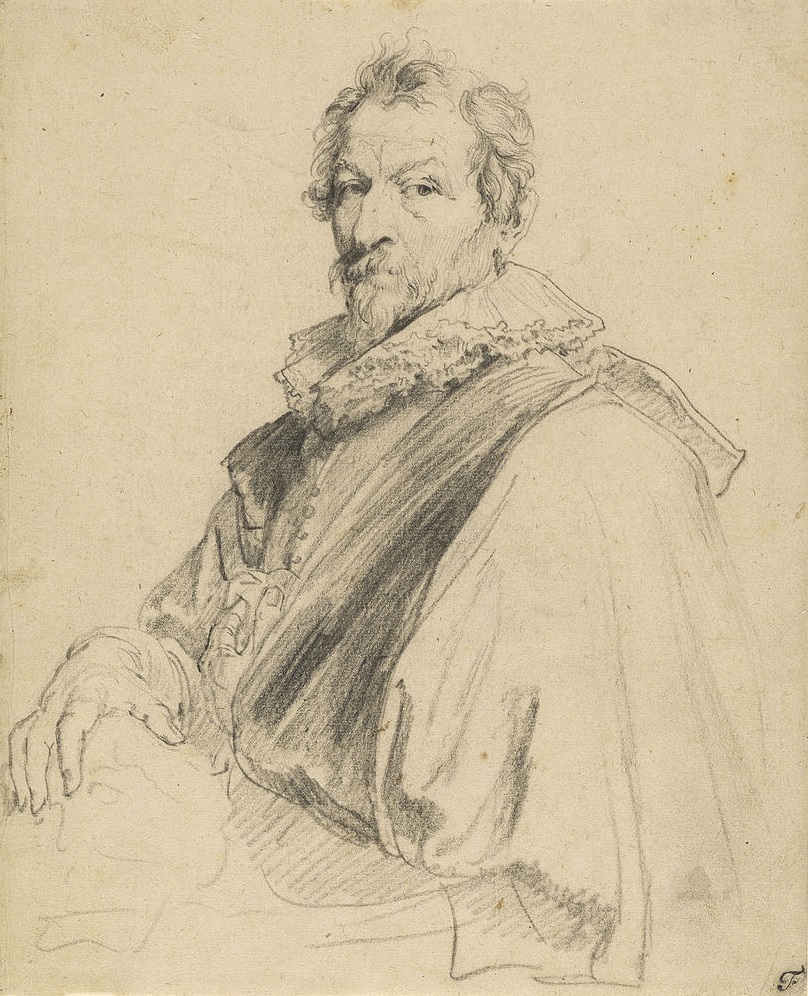
Hendrik van Balen the Elder was a Flemish Baroque painter and stained glass artist, member of the Guild of Saint Luke in Antwerp.
Hendrik van Balen specialized in small cabinet paintings, often painted on copperplate. The artist's work was inspired by mythological and allegorical as well as religious subjects. The artist played an important role in the renewal of Flemish painting at the beginning of the 17th century and was one of Antoni van Dyck's teachers.
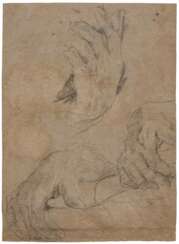

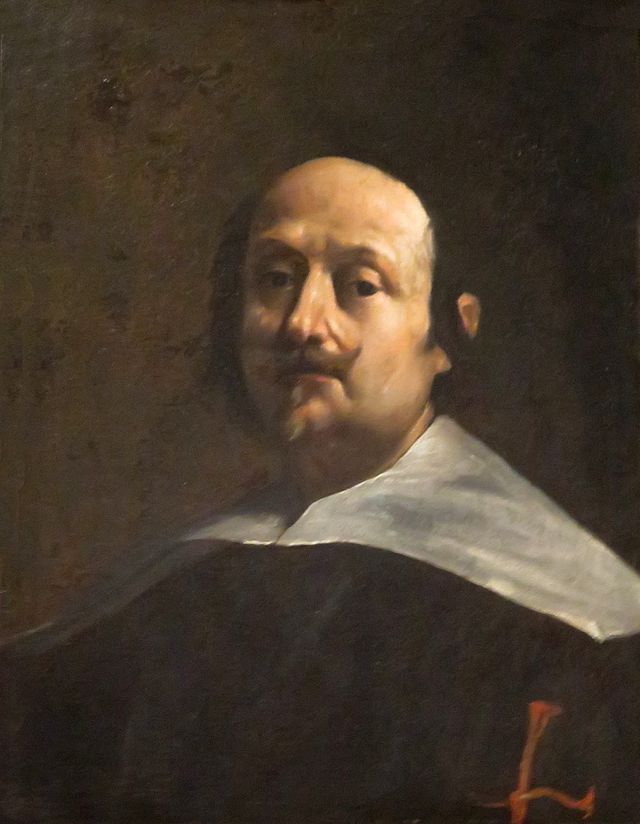
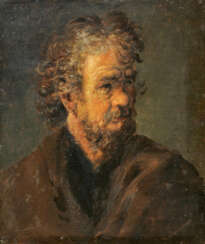


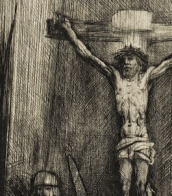
Rembrandt Harmenszoon van Rijn, a Dutch Baroque painter and printmaker, was born on July 15, 1606, in Leiden, Netherlands, and died on October 4, 1669, in Amsterdam. He is celebrated as one of the greatest storytellers in art history, acclaimed for his adept portrayal of human emotions and dramatic narratives. Rembrandt's extensive oeuvre includes portraits, self-portraits, landscapes, genre scenes, allegorical, historical, and biblical themes, as well as animal studies. His artistry shined during the Dutch Golden Age, a period marked by cultural and scientific achievements in the Netherlands.
Rembrandt's education in art began around the age of 10 when he left the Latin School in Leiden to train as an artist. He apprenticed with artists like Jacob van Swanenburg and Pieter Lastman, mastering various aspects of painting. He opened his own studio in Leiden around 1624 or 1625, sharing it with his colleague Jan Lievens. By 1631, he had moved to Amsterdam, where he achieved significant success and trained many important Dutch painters.
Among Rembrandt's notable works are "The Anatomy Lesson of Dr. Nicolaes Tulp" (1632), "The Night Watch" (1642), and "The Syndics of the Amsterdam Drapers’ Guild" (1662). He was also renowned for his self-portraits, creating around 80 over his lifetime, more than any other artist until the 20th century. These self-portraits were not just artistic endeavors but also experiments with facial expressions and lighting effects. Additionally, Rembrandt was a master etcher, transforming etching from a reproductive technique into an art form.
Rembrandt's painting style is characterized by its dramatic use of light and shadow, known as chiaroscuro. His ability to depict materials realistically was unparalleled; his portrayal of metals and fabrics was so lifelike that they appeared to glow and be tangible. He was also known for his impasto technique, applying paint thickly to the canvas, adding a three-dimensional quality to his works.
Despite his artistic prowess, Rembrandt faced financial difficulties and personal tragedies throughout his life. He declared bankruptcy in 1656, a downfall attributed partly to his extensive collection of art objects and curiosities. His masterpieces, however, continued to garner appreciation and influence generations of artists that followed.
For collectors and experts in art and antiques, Rembrandt's works represent a pinnacle of artistic achievement in the Dutch Golden Age. His mastery in portraying the human condition and his innovative techniques in painting and etching make his works highly prized and influential in the art world.
To stay updated on new product sales and auction events related to Rembrandt van Rijn, sign up for our updates. This subscription service is dedicated exclusively to news and events concerning works related to this unparalleled master of the Dutch Golden Age.
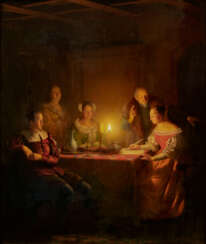

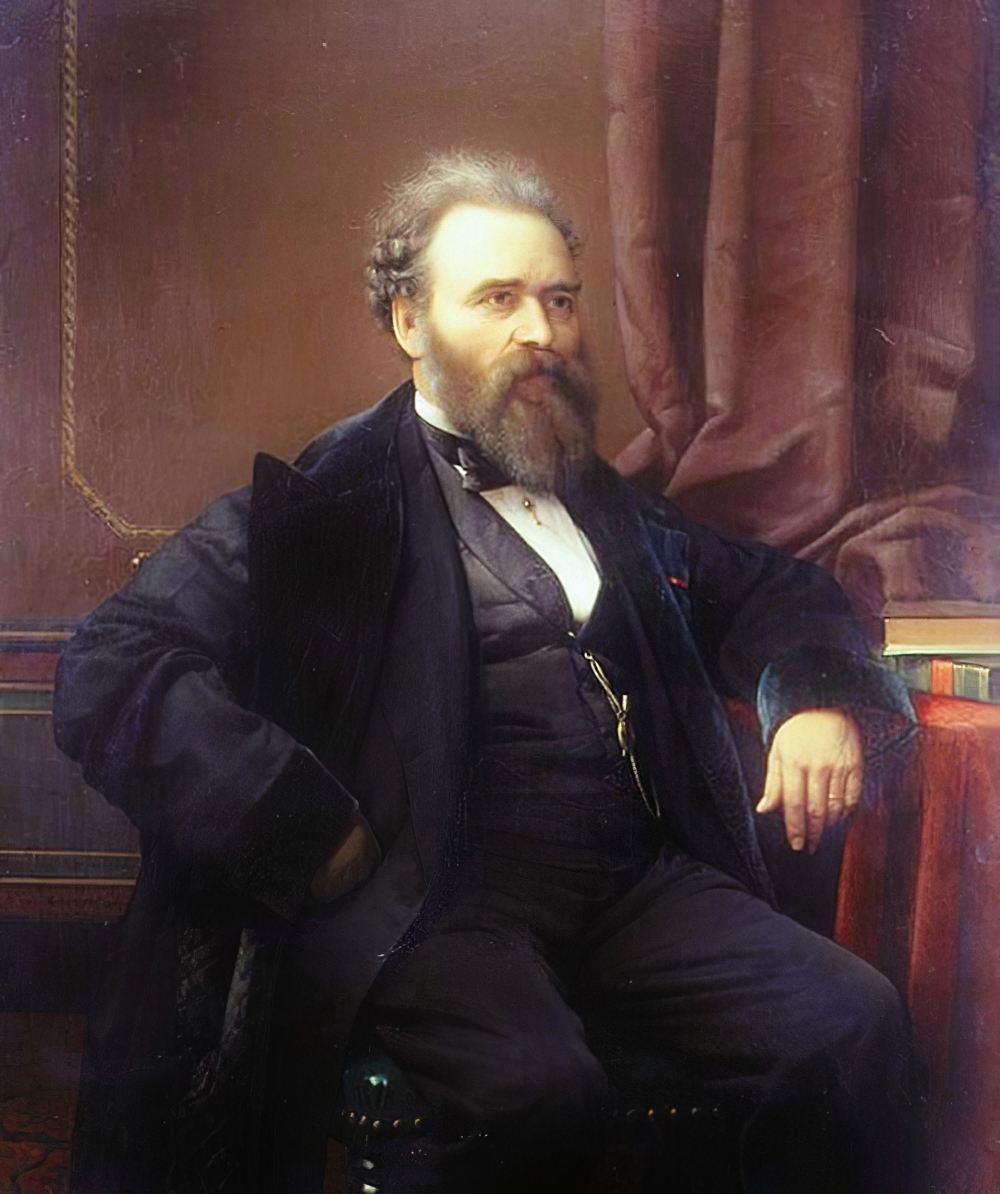
Petrus van Schendel was a Dutch-Belgian genre painter in the Romantic style who specialized in nighttime scenes, lit by lamps or candles. This led to him being known as "Monsieur Chandelle".
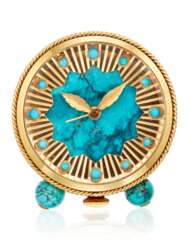

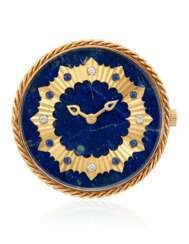

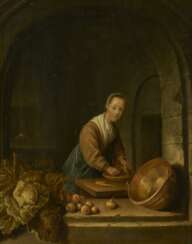

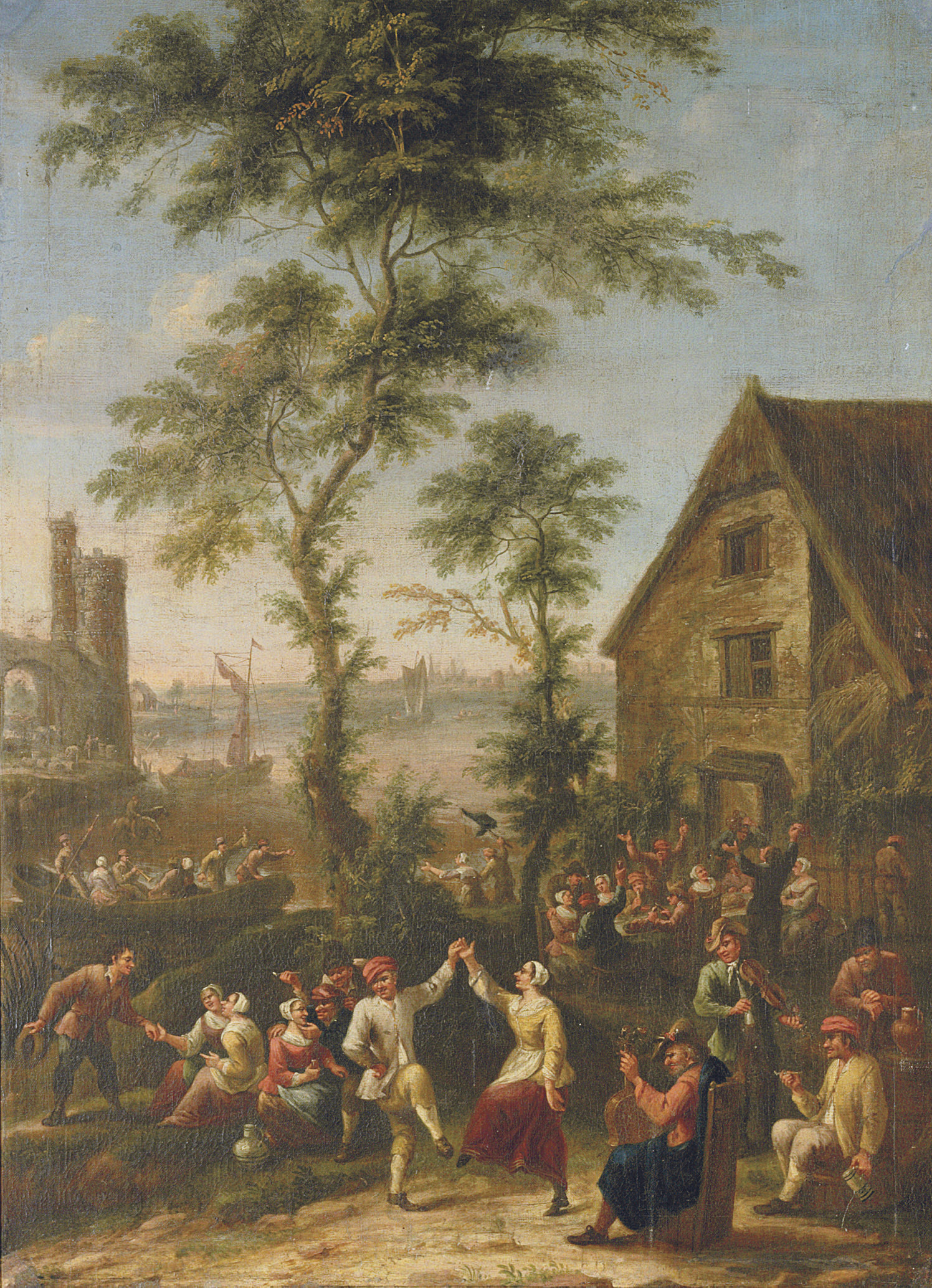
Jan Adriensz van Staveren was a Dutch Baroque painter. He studied painting with Gerard Dou.
Jan Adriensz van Staveren is best known for his portraits and genre scenes depicting daily life in 17th century Holland. His depictions of hermits in caves are entirely in the tradition of Dou.

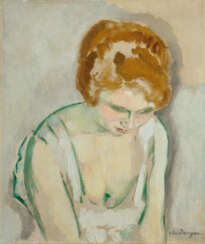

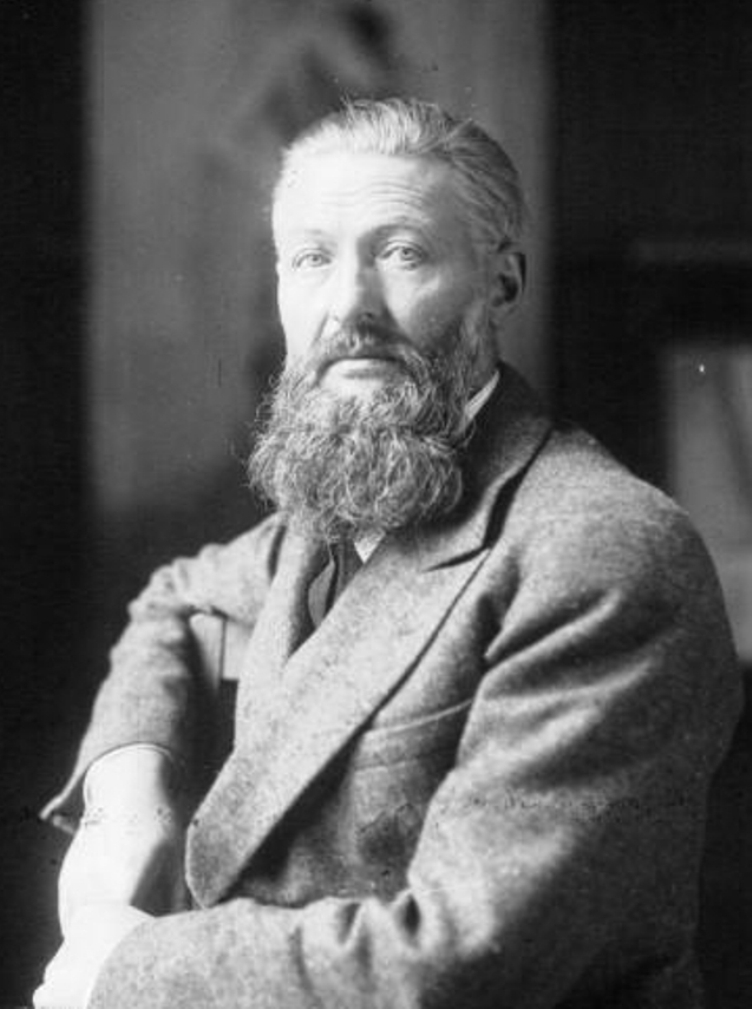
Kees van Dongen was a Dutch-French painter renowned for his vivid and expressive works that placed him at the forefront of the Fauvist movement. Born in 1877 in Delfshaven, Netherlands, van Dongen's journey into the art world began with his education at the Akademie voor Beeldende Kunsten in Rotterdam. His move to Paris in 1897 marked a pivotal moment in his career, immersing him in the bustling avant-garde scene and connecting him with influential circles, including Pablo Picasso and the Fauves. Van Dongen's art, characterized by its striking use of color and bold brushwork, captured the essence of his subjects with a unique blend of realism and abstraction.
Van Dongen's work evolved significantly over time, initially influenced by the dark tones of his Dutch heritage and the works of Rembrandt. His encounter with Fauvism around 1906 brought a dramatic shift towards brighter, more vibrant colors, marking his most iconic phase. His ability to capture the sensuousness and personality of his subjects made him a sought-after portraitist among the French bourgeoisie and celebrities of his time. Notable works include "Femme aux bas noirs" (Woman with Black Stockings), "Les lutteuses" (Lutteuses du Tabarin), and "The Dancer Anita," showcasing his fascination with the human figure, particularly sensuous depictions of women.
Beyond his remarkable contributions to Fauvism, van Dongen's ventures into illustration and his role as a society portraitist underscore his diverse talents and adaptability to the changing tastes of the art market. His works are celebrated in major collections worldwide, including the Hermitage Museum and the National Gallery of Denmark, affirming his lasting impact on the art world.
Collectors and art experts continue to appreciate van Dongen's work for its bold experimentation with color, form, and the evocative portrayal of his subjects. His legacy lives on as a testament to the vibrancy and dynamism of early 20th-century modern art.
For those keen to explore van Dongen's captivating works further and stay informed about new discoveries, exhibitions, and auction events related to his art, signing up for updates is a must. This ensures direct access to the latest sales and scholarly insights into the painter's rich oeuvre, a valuable resource for collectors and enthusiasts alike.
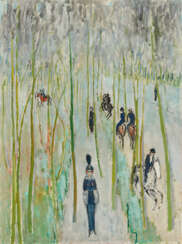

Kees van Dongen was a Dutch-French painter renowned for his vivid and expressive works that placed him at the forefront of the Fauvist movement. Born in 1877 in Delfshaven, Netherlands, van Dongen's journey into the art world began with his education at the Akademie voor Beeldende Kunsten in Rotterdam. His move to Paris in 1897 marked a pivotal moment in his career, immersing him in the bustling avant-garde scene and connecting him with influential circles, including Pablo Picasso and the Fauves. Van Dongen's art, characterized by its striking use of color and bold brushwork, captured the essence of his subjects with a unique blend of realism and abstraction.
Van Dongen's work evolved significantly over time, initially influenced by the dark tones of his Dutch heritage and the works of Rembrandt. His encounter with Fauvism around 1906 brought a dramatic shift towards brighter, more vibrant colors, marking his most iconic phase. His ability to capture the sensuousness and personality of his subjects made him a sought-after portraitist among the French bourgeoisie and celebrities of his time. Notable works include "Femme aux bas noirs" (Woman with Black Stockings), "Les lutteuses" (Lutteuses du Tabarin), and "The Dancer Anita," showcasing his fascination with the human figure, particularly sensuous depictions of women.
Beyond his remarkable contributions to Fauvism, van Dongen's ventures into illustration and his role as a society portraitist underscore his diverse talents and adaptability to the changing tastes of the art market. His works are celebrated in major collections worldwide, including the Hermitage Museum and the National Gallery of Denmark, affirming his lasting impact on the art world.
Collectors and art experts continue to appreciate van Dongen's work for its bold experimentation with color, form, and the evocative portrayal of his subjects. His legacy lives on as a testament to the vibrancy and dynamism of early 20th-century modern art.
For those keen to explore van Dongen's captivating works further and stay informed about new discoveries, exhibitions, and auction events related to his art, signing up for updates is a must. This ensures direct access to the latest sales and scholarly insights into the painter's rich oeuvre, a valuable resource for collectors and enthusiasts alike.
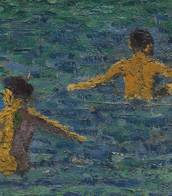


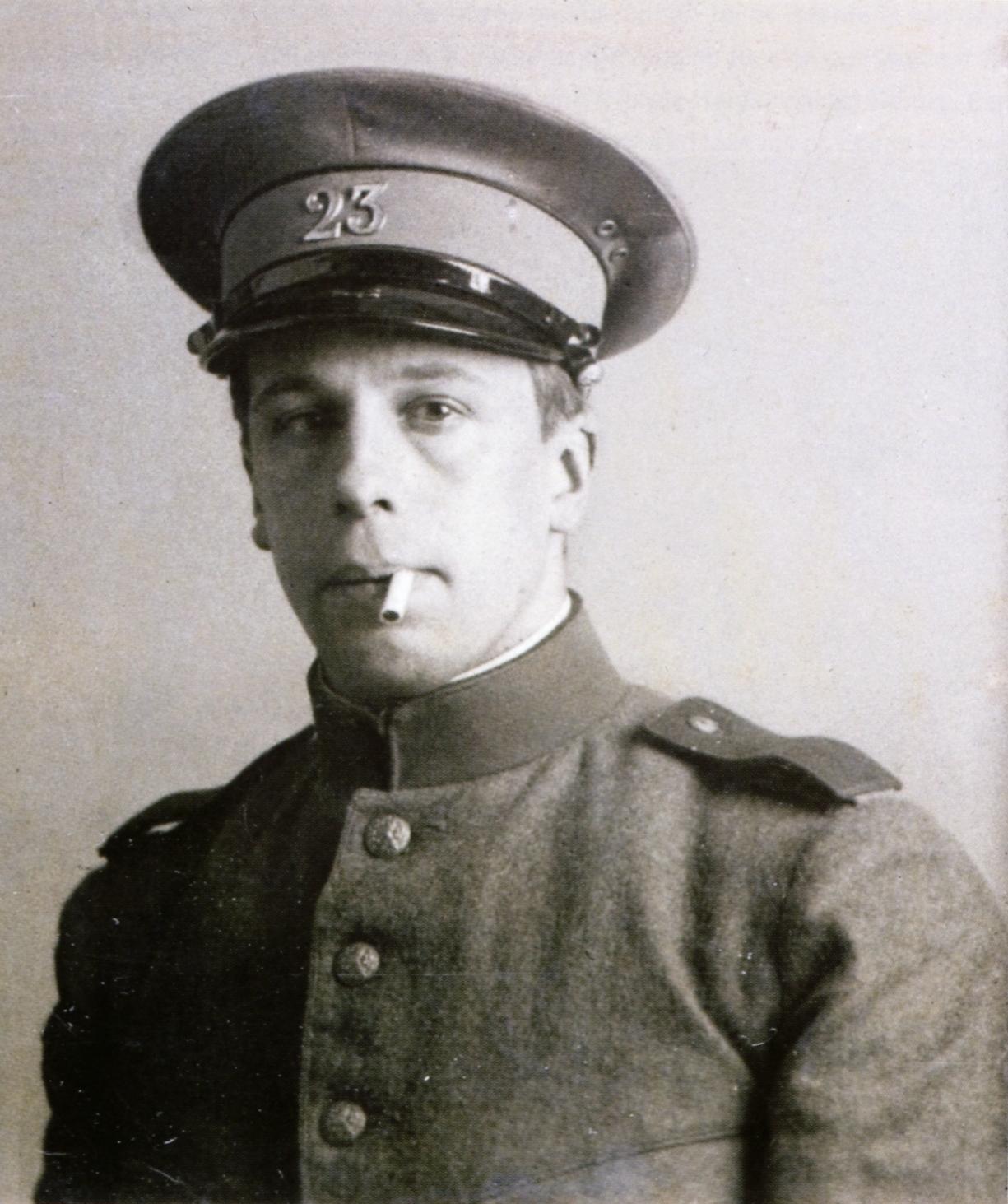
Theo van Doesburg, real name Christian Emil Marie Küpper, is a Dutch painter, architect and sculptor, art theorist, co-founder of the Style Group and of Neoplasticism.
Theo van Doesburg co-founded with Piet Mondrian the De Stijl abstract art movement. The basis of van Doesburg's views was the attempt to reduce all forms of objective harmony in a work of art to certain geometric elements. These new principles soon had a significant influence on the development of architecture, literature, graphics and music.



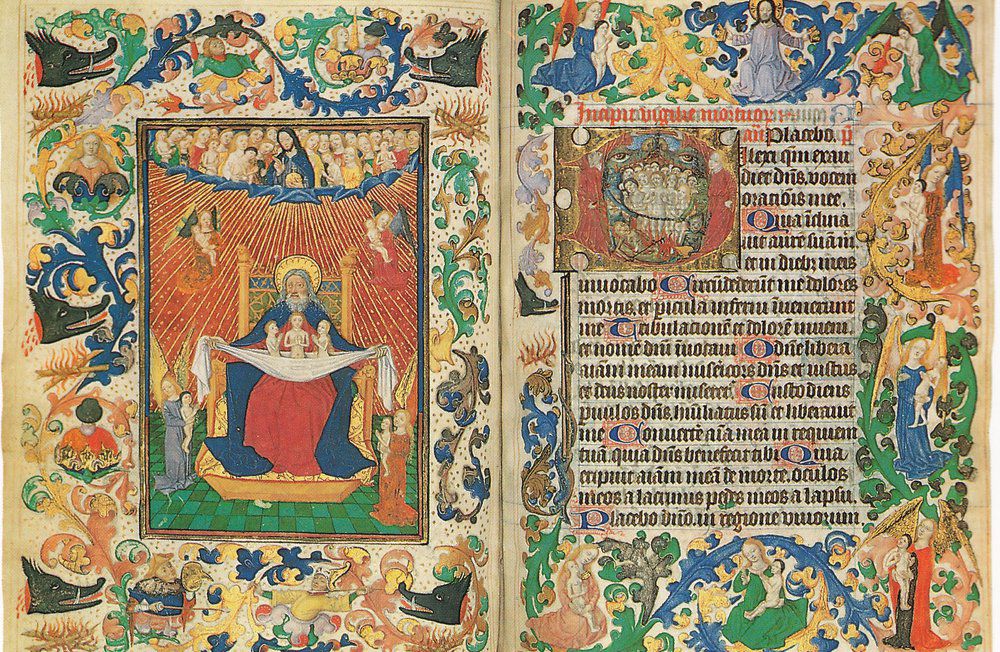
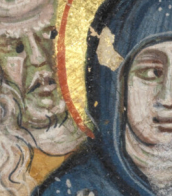
Master Gijsbrecht van Brederode was a Northern Dutch book illuminator who worked in Utrecht in the 3rd quarter of the 15th century.
The artist got his name from the book of hours, which he illuminated for Gijsbrecht van Brederode, dean of Utrecht Cathedral (died in 1475). It is known that between 1465 and 1470 this master created almost all the miniatures in this manuscript.


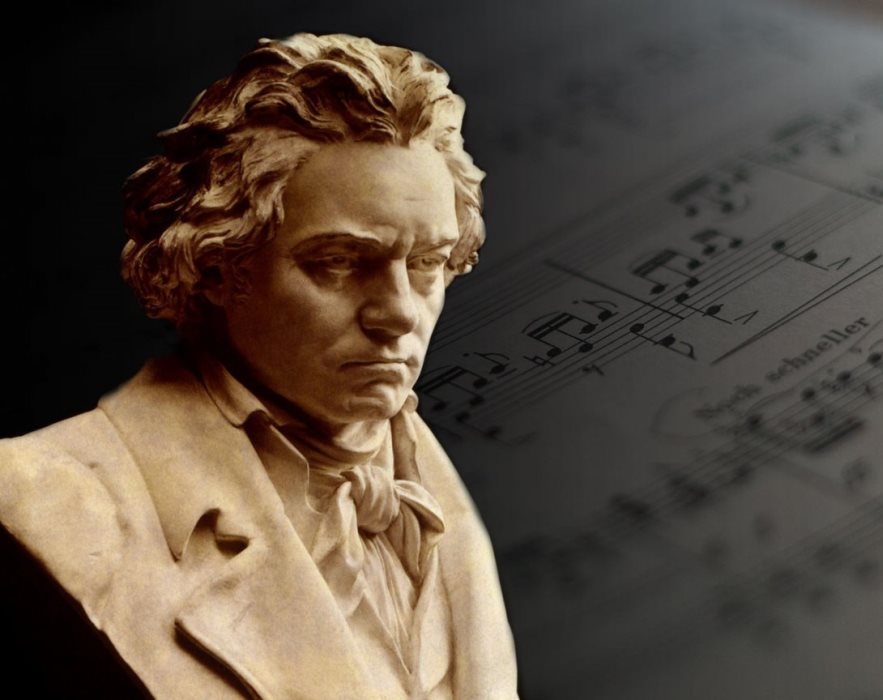
Ludwig van Beethoven was a German composer, pianist, and conductor, one of the most famous and celebrated composers in world history.
Beethoven showed an aptitude for music at a very early age; from the age of four his father began to teach him. Beethoven's early works - piano sonatas and symphonies - were composed under the strong influence of the music of the great classical composers Joseph Haydn and Wolfgang Amadeus Mozart. As Beethoven matured, however, he began to experiment with new forms and harmonic sequences, and his music became more complex and emotionally charged.
Unfortunately, at the height of his talent, Beethoven began to gradually lose his hearing, to the point of complete deafness by the end of his life. Despite this, he continued to compose and conduct, using special devices to feel the vibrations of the music.
Beethoven's work is considered pivotal in classical music and is a bridge between the classical and Romantic eras. His works vividly express a wide range of emotions, from triumph and joy to sadness and despair. Beethoven was also one of the first composers to include soloists and chorus in his symphonies. Beethoven's best-known works include nine symphonies, 32 piano sonatas, 16 string quartets and the heroic opera Fidelio. These and many other works have cemented Beethoven's place in music history as one of the greatest composers of all time. His music continues to be played and studied by musicians and music lovers around the world.
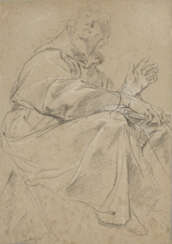

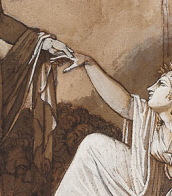
Anthony van Dyck, a Flemish painter born in 1599 in Antwerp and passed away in 1641 in London, is celebrated as one of the foremost Baroque painters of the 17th century. His notable contributions to the art world include his exceptional portraits of European aristocracy, as well as his religious and mythological paintings. Van Dyck's early exposure to art was influenced significantly by his apprenticeship with Hendrik van Balen and later, by the profound impact of working alongside Peter Paul Rubens. His mastery was recognized early on, leading him to set up his own workshop by the age of 15.
Van Dyck's journey to Italy in 1621 marked a pivotal phase in his career, allowing him to immerse himself in studying the Italian masters and commencing his successful stint as a portraitist. His style evolved under the influence of Titian, evident from his vibrant use of color and refined modeling of form. Van Dyck's Italian period not only honed his artistic skills but also established his reputation as a painter of consequence.
Upon returning to Antwerp, van Dyck's portraits became highly sought after, leading to commissions from notable figures such as Archduchess Isabella and Queen Mother Maria de' Medici. His role as a court painter further solidified in England under the patronage of King Charles I, where he was knighted and appointed as the principal painter, profoundly shaping the aristocratic character of Charles I's reign through his portraits.
Van Dyck's legacy extends beyond his death, having influenced English portrait painting for over a century. His innovative techniques in watercolour and etching, along with his sophisticated portrayal of subjects, continue to be admired. His art not only showcases his technical prowess but also reflects the cultural and social nuances of his era, making his work a significant study for collectors and art historians alike.
For enthusiasts eager to explore the intersections of art, history, and culture through the lens of Anthony van Dyck's work, staying informed about new discoveries and auction events is essential. Signing up for updates can provide exclusive insights into the world of one of the most influential figures in Flemish art. This subscription ensures that collectors and experts are well-informed of any developments related to van Dyck's oeuvre, enhancing their understanding and appreciation of his contributions to the art world.
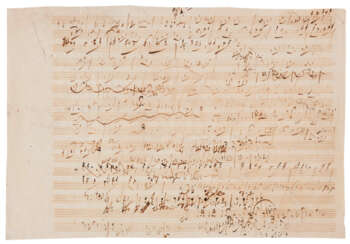

Ludwig van Beethoven was a German composer, pianist, and conductor, one of the most famous and celebrated composers in world history.
Beethoven showed an aptitude for music at a very early age; from the age of four his father began to teach him. Beethoven's early works - piano sonatas and symphonies - were composed under the strong influence of the music of the great classical composers Joseph Haydn and Wolfgang Amadeus Mozart. As Beethoven matured, however, he began to experiment with new forms and harmonic sequences, and his music became more complex and emotionally charged.
Unfortunately, at the height of his talent, Beethoven began to gradually lose his hearing, to the point of complete deafness by the end of his life. Despite this, he continued to compose and conduct, using special devices to feel the vibrations of the music.
Beethoven's work is considered pivotal in classical music and is a bridge between the classical and Romantic eras. His works vividly express a wide range of emotions, from triumph and joy to sadness and despair. Beethoven was also one of the first composers to include soloists and chorus in his symphonies. Beethoven's best-known works include nine symphonies, 32 piano sonatas, 16 string quartets and the heroic opera Fidelio. These and many other works have cemented Beethoven's place in music history as one of the greatest composers of all time. His music continues to be played and studied by musicians and music lovers around the world.


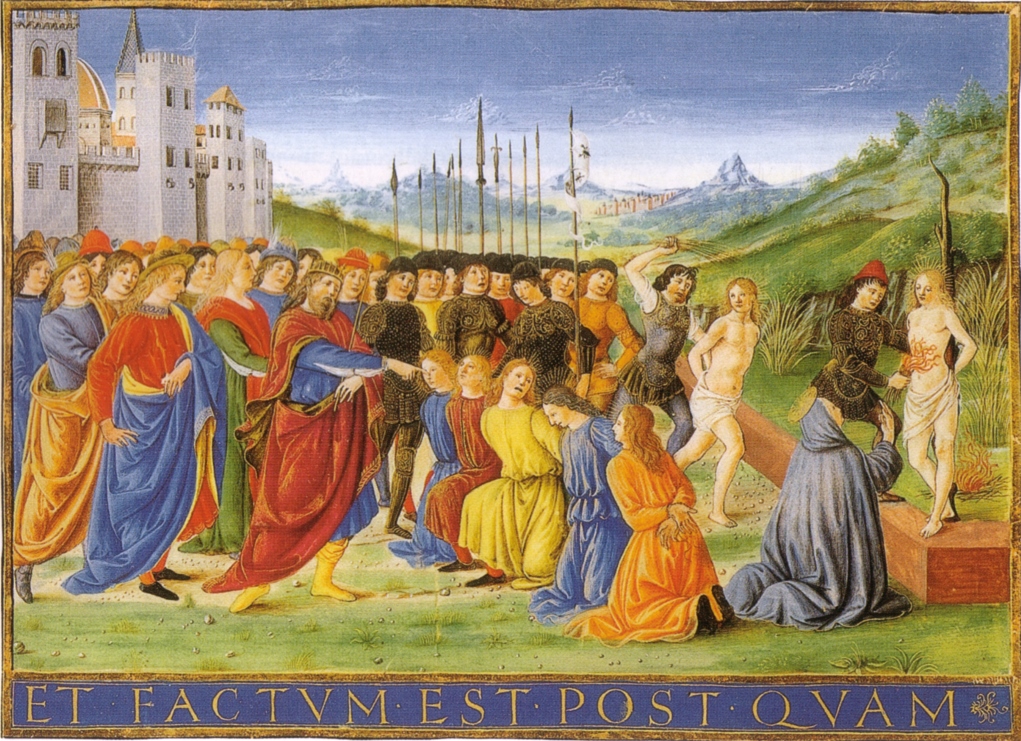
Attavante degli Attavanti, also Gabriello di Vante, is the best known and most representative artist of Italian miniature painting.
Attavante's elegant, expressive style was influenced by the work of Domenico Ghirlandaio and Antonio Pollaiuolo. His first recorded work, dated 1483, is a missal created for Thomas James, bishop of the Dol-de-Bretagne. He subsequently created several manuscripts for Matthias Corvinus, King of Hungary, and the Medici family, among whom was Pope Leo X. The workshop of Attavante also produced the Jerome Bible, one of the finest bibles created during the Italian Renaissance, now in the Portuguese National Archives.
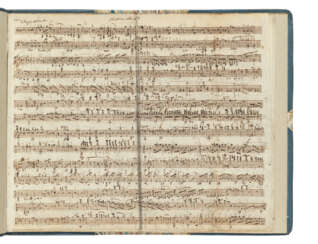

Ludwig van Beethoven was a German composer, pianist, and conductor, one of the most famous and celebrated composers in world history.
Beethoven showed an aptitude for music at a very early age; from the age of four his father began to teach him. Beethoven's early works - piano sonatas and symphonies - were composed under the strong influence of the music of the great classical composers Joseph Haydn and Wolfgang Amadeus Mozart. As Beethoven matured, however, he began to experiment with new forms and harmonic sequences, and his music became more complex and emotionally charged.
Unfortunately, at the height of his talent, Beethoven began to gradually lose his hearing, to the point of complete deafness by the end of his life. Despite this, he continued to compose and conduct, using special devices to feel the vibrations of the music.
Beethoven's work is considered pivotal in classical music and is a bridge between the classical and Romantic eras. His works vividly express a wide range of emotions, from triumph and joy to sadness and despair. Beethoven was also one of the first composers to include soloists and chorus in his symphonies. Beethoven's best-known works include nine symphonies, 32 piano sonatas, 16 string quartets and the heroic opera Fidelio. These and many other works have cemented Beethoven's place in music history as one of the greatest composers of all time. His music continues to be played and studied by musicians and music lovers around the world.
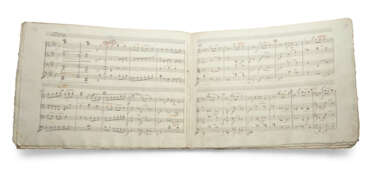

Ludwig van Beethoven was a German composer, pianist, and conductor, one of the most famous and celebrated composers in world history.
Beethoven showed an aptitude for music at a very early age; from the age of four his father began to teach him. Beethoven's early works - piano sonatas and symphonies - were composed under the strong influence of the music of the great classical composers Joseph Haydn and Wolfgang Amadeus Mozart. As Beethoven matured, however, he began to experiment with new forms and harmonic sequences, and his music became more complex and emotionally charged.
Unfortunately, at the height of his talent, Beethoven began to gradually lose his hearing, to the point of complete deafness by the end of his life. Despite this, he continued to compose and conduct, using special devices to feel the vibrations of the music.
Beethoven's work is considered pivotal in classical music and is a bridge between the classical and Romantic eras. His works vividly express a wide range of emotions, from triumph and joy to sadness and despair. Beethoven was also one of the first composers to include soloists and chorus in his symphonies. Beethoven's best-known works include nine symphonies, 32 piano sonatas, 16 string quartets and the heroic opera Fidelio. These and many other works have cemented Beethoven's place in music history as one of the greatest composers of all time. His music continues to be played and studied by musicians and music lovers around the world.



.jpeg)
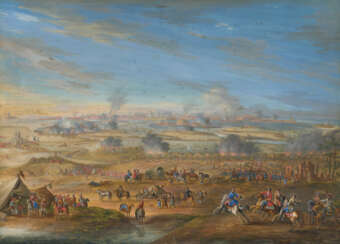
Louis Nicolas van Blarenberghe was a distinguished French painter, born into a dynasty of artists from French Flanders. With a career that spanned the 18th century, he was celebrated for his specialization in detailed miniatures and panoramic battle scenes. His artistic journey began in the Flemish Baroque tradition, evolving into a notable figure within the Rococo movement. Louis Nicolas, alongside his son Henri-Joseph, made significant contributions to the art world, working as miniaturists for the elite at the Palace of Versailles and serving as the official campaign painter for the French court.
His works, particularly those on snuff boxes and his panoramic gouache paintings of military and revolutionary subjects, garnered acclaim. These pieces often featured intricate detail and vivid storytelling, making them highly prized among collectors. The Blarenberghe family's art was so revered that it attracted the attention of the Rothschild family in the 19th century, leading to a substantial collection of their works being displayed publicly at Waddesdon Manor. A significant collection was also part of the Mentmore Towers sale in 1977, underlining the enduring legacy and collector interest in their works.
For art enthusiasts and collectors keen on exploring the rich tapestry of 18th-century French painting, Louis Nicolas van Blarenberghe's oeuvre offers a captivating glimpse into the period's military history and societal elite. His works can be viewed in prestigious institutions and collections, echoing the lasting impact of his and his family's artistic contributions. For updates on sales and auction events featuring Louis Nicolas van Blarenberghe's works, signing up for newsletters from art auction houses and galleries is highly recommended. This ensures enthusiasts stay informed about opportunities to own a piece of this remarkable artist's legacy.
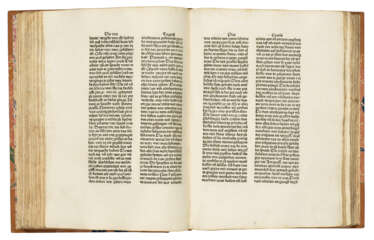

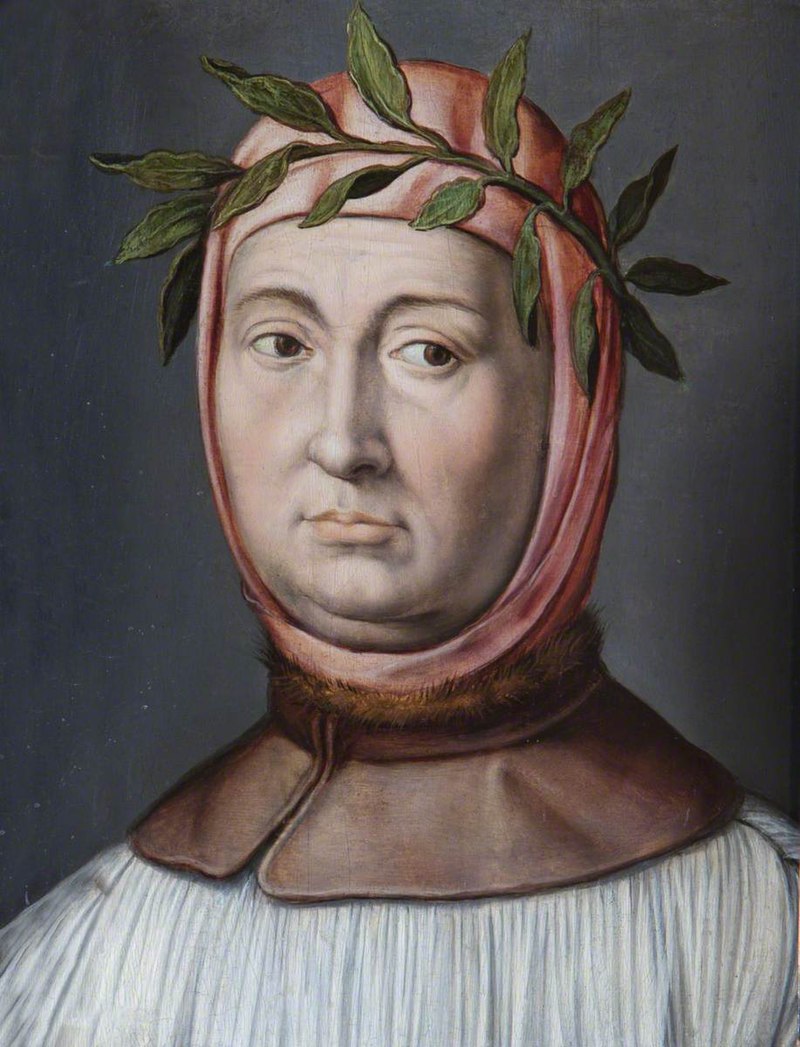
Giovanni Boccaccio was an Italian humanist scholar, writer and poet of the Early Renaissance.
Boccaccio was the son of a Tuscan merchant who sent him to Naples to study business and law. Giovanni revolved in aristocratic circles there and became acquainted with Petrarch's work. In Naples he wrote his first works of poetry, raising the poetry of Italian minstrelsy to literature. Returning to Florence in 1341, Boccaccio, in addition to the famous book of witty short stories "Decameron" (1348-1353), created many poems, allegories and prose works.
In 1350 at Bocaccio's house in Florence, he met Petrarch, which developed into a friendship. In the last years of his life he concentrated on scholarly works in Latin, including writing De montibus, silvis, fontibus, lacubus..., - this alphabetical list of mountains, forests, rivers and lakes was based on the writings of ancient poets. His other Latin works include the philosophical and historical De claris mulieribus (a collection of biographies of famous women, 1360-74) and De casibus virorum illustrium (On the Fates of Famous Men, 1355-74).
Giovanni Boccaccio had a significant influence on the development of all European culture through his work. Together with Petrarch, he laid the foundations of Renaissance humanism and raised popular literature to the level and status of the ancient classics.
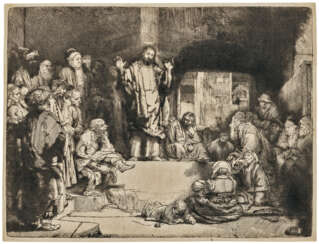

Rembrandt Harmenszoon van Rijn, a Dutch Baroque painter and printmaker, was born on July 15, 1606, in Leiden, Netherlands, and died on October 4, 1669, in Amsterdam. He is celebrated as one of the greatest storytellers in art history, acclaimed for his adept portrayal of human emotions and dramatic narratives. Rembrandt's extensive oeuvre includes portraits, self-portraits, landscapes, genre scenes, allegorical, historical, and biblical themes, as well as animal studies. His artistry shined during the Dutch Golden Age, a period marked by cultural and scientific achievements in the Netherlands.
Rembrandt's education in art began around the age of 10 when he left the Latin School in Leiden to train as an artist. He apprenticed with artists like Jacob van Swanenburg and Pieter Lastman, mastering various aspects of painting. He opened his own studio in Leiden around 1624 or 1625, sharing it with his colleague Jan Lievens. By 1631, he had moved to Amsterdam, where he achieved significant success and trained many important Dutch painters.
Among Rembrandt's notable works are "The Anatomy Lesson of Dr. Nicolaes Tulp" (1632), "The Night Watch" (1642), and "The Syndics of the Amsterdam Drapers’ Guild" (1662). He was also renowned for his self-portraits, creating around 80 over his lifetime, more than any other artist until the 20th century. These self-portraits were not just artistic endeavors but also experiments with facial expressions and lighting effects. Additionally, Rembrandt was a master etcher, transforming etching from a reproductive technique into an art form.
Rembrandt's painting style is characterized by its dramatic use of light and shadow, known as chiaroscuro. His ability to depict materials realistically was unparalleled; his portrayal of metals and fabrics was so lifelike that they appeared to glow and be tangible. He was also known for his impasto technique, applying paint thickly to the canvas, adding a three-dimensional quality to his works.
Despite his artistic prowess, Rembrandt faced financial difficulties and personal tragedies throughout his life. He declared bankruptcy in 1656, a downfall attributed partly to his extensive collection of art objects and curiosities. His masterpieces, however, continued to garner appreciation and influence generations of artists that followed.
For collectors and experts in art and antiques, Rembrandt's works represent a pinnacle of artistic achievement in the Dutch Golden Age. His mastery in portraying the human condition and his innovative techniques in painting and etching make his works highly prized and influential in the art world.
To stay updated on new product sales and auction events related to Rembrandt van Rijn, sign up for our updates. This subscription service is dedicated exclusively to news and events concerning works related to this unparalleled master of the Dutch Golden Age.